
Quick answer
A cash flow loan for glaziers covers made-to-order glass, frames, hardware, installers and van costs while builders, insurers and strata pay on their own schedule. Unsecured options are sized on turnover and bank statements, usually $5k to $500k, and property-secured loans run $20k to $5m. Enquiring takes about 60 seconds, with no credit check.
Key points
- Custom glass is made to order, so the supplier expects payment well before the pane is installed
- Breakage and remeasure risk sit with the glazier, not the customer
- Insurance and commercial glazing work pays reliably but slowly
- Enquiry takes about a minute, no credit check, and a real person reviews it
- Unsecured range
- $5k – $500k
- Property-secured range
- $20k – $5m
- Enquiry
- About 60 seconds, no credit check
Glass is unforgiving. Once a pane is cut and toughened, it fits one opening and nothing else. A supplier will not take it back if the frame was out by a few millimetres, and a customer will not pay for a window that is cracked. That makes the glazing trade unusually exposed to up-front cost, and unusually reliant on getting paid after the glass is in.
Why do glaziers end up carrying so much cost before the job is paid?
Because most glass is made to order. You measure, order from a processor, wait for delivery, install and then invoice. The processor wants payment on its own terms, often well before the customer pays you.
The squeezes particular to glazing:
- Lead times. Toughened, laminated and double-glazed units take time to make, and a delay holds up the whole job.
- Remeasure and breakage. An error can mean paying twice for the same pane.
- Frames, seals and hardware. Aluminium extrusions, locks, rollers and sealants are a separate cost on every job.
- Two-person lifts. Large panes need a second installer or lifting equipment, which adds labour and hire.
- Emergency callouts. After-hours board-ups and make-safe jobs cost wages and materials up front.
Who pays a glazier, and when?
| Customer | How they usually pay | Where the gap sits |
|---|---|---|
| Homeowner, window or shower screen | Deposit on order, balance on installation | Deposit short of the glass bill on large units |
| Builder on a new home | Progress claim at fixing stage or practical completion | Glass paid for before the builder is paid |
| Commercial shopfront or office fit-out | Staged claims, sometimes with retention | Long wait after installation |
| Insurer-managed replacement | Invoice after approval | Payment 30 days or longer after the job |
| Strata or body corporate | Invoice after committee approval | Slow approval chains |
The commercial and insurance work is attractive because it is steady, but it is also where invoices sit longest. For that, see how invoice finance for tradies can release cash tied up in unpaid invoices, and our page on progress payment gaps if you work on builder stage claims.
What do glazing businesses use cash flow loans for?
Typical uses:
- Glass orders paid to the processor before delivery, including custom sizes and specialist glass.
- Aluminium frames, hardware and sealants.
- Installer wages and super, including a second pair of hands for big panes.
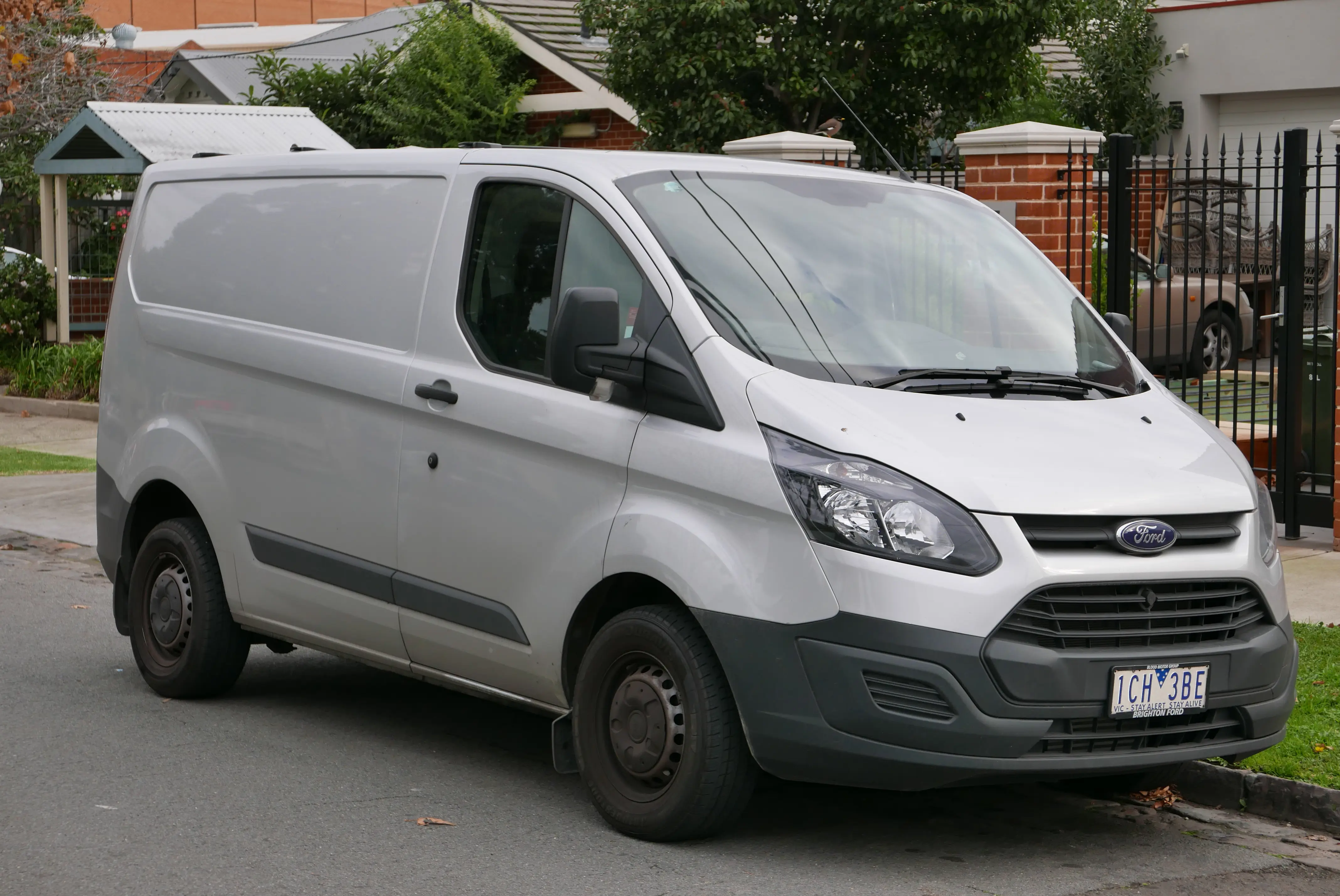
- Van costs. A glazing van carries A-frames, racks and gear, and repairs or upgrades add up. For buying a vehicle, see work van finance.
- Rework, so a replacement pane does not stop the next job.
A glass order, worked through
Here is an imagined job with round amounts, included only to make the gap visible.
A glazing business wins a job to supply and install large sliding doors and fixed panels for a renovation. The glass order is $12k, frames and hardware are $3.5k and two installers cost $2.5k over the install week. Total outlay is $18k. The builder pays on completion of the fixing stage, about five weeks after the glass order is placed.
If the owner holds $7k, the gap is $11k. A short cash flow facility sized to that gap lets the order be placed straight away, so the lead time does not slip, and the facility is repaid when the builder pays.
Try your own numbers on the cash flow gap planner.
What if something goes wrong and I have to replace the glass?
That is a realistic risk. A cracked pane, a wrong dimension or a delivery error can mean paying twice for glass. A one-off replacement of a $3k pane can strain a small business. Keeping a facility available means a mistake costs you time, not the next job’s wages. If you want to know what is possible, you can ask in about a minute.
What will a lender want to see?
Trading history and consistent deposits matter most. Prepare:
- Recent business bank statements showing homeowner, builder, commercial and insurer deposits.
- Your ABN, and ACN if you trade through a company.
- A list of your largest customers and typical payment terms.
- Any ATO payment arrangement, stated honestly.
If you own your premises or another property, you may qualify for larger property-secured amounts from $20k to $5m, which can suit buying a glass-cutting setup or taking on a bigger commercial workshop.
How should I handle supplier terms?
Glass processors and aluminium suppliers often extend trade terms, but they expect them to be honoured. A cash flow facility lets you pay promptly on the biggest orders and keep your trade account healthy for smaller ones. Our materials and supplier accounts page goes deeper on that balance.
What about insurance work and after-hours callouts?
Emergency glazing is a business inside the business. A smashed shopfront at midnight needs a board-up, a make-safe and a return trip with the replacement glass. The first visit is billed quickly, but replacement is often approved later and paid on the insurer’s schedule. Having a facility on hand means you can say yes to the 2am call without worrying about the 30-day wait on the invoice. Keep job sheets, photos and signed approvals together, because they make invoices easier to get paid and bank statements easier to explain.
How do you see if you qualify?
You can get a feel for it before a pane of glass is ordered. The enquiry takes about 60 seconds, and your credit file is not checked at that stage. Your details are not shared with a crowd of lenders, so you will not be chased by strangers. A real person reads your situation and calls you.
Be accurate about turnover, how long you have been trading and any tax debt, so the match is right from the start.
One thing to remember is that there is no credit check when you first enquire, so you can ask about options between jobs.
Frequently asked questions
Can a glazing business get finance to cover custom glass orders?
Yes. Paying a glass processor for toughened, laminated or double-glazed units before delivery is a common reason for working capital. A facility can bridge the time between the order and the customer's payment.
What if a pane is broken or measured wrong?
Rework costs real money because the glass is custom. A cash flow facility can absorb a one-off replacement so it does not drain the account or delay other jobs.
I do emergency and insurance glazing. Does that suit a loan?
It can. Insurance jobs are steady work, but insurers often pay 30 days or more after the invoice. A facility covers wages and glass costs in that wait.
Can finance help with glass-handling equipment such as lifters and racks?
Smaller gear can sit inside working capital. For a vehicle rack system, vacuum lifter or a crane-mounted setup, equipment finance may fit better.
Does enquiring affect my credit score?
No. There is no credit check when you first enquire.
Short on time? Enquire right here
About 60 seconds. No credit check when you first enquire, and a real person calls you back.