
Quick answer
Power tool finance helps tradies buy cordless platforms, saws, drills, grinders and similar kit and repay over time. Because power tools lose value fast and resell quietly, lenders lean on your trading history. Unsecured options typically run from $5k to $500k, property-secured from $20k to $5m, for business use only, with no credit check on first enquiry.
Key points
- Battery platform choice locks in spending for years, so plan it
- Chargers, spare batteries and cases belong on the quote
- Power tools depreciate quickly, so trading history carries weight
- Theft cover and site storage matter as much as the tool
- No credit check when you first enquire
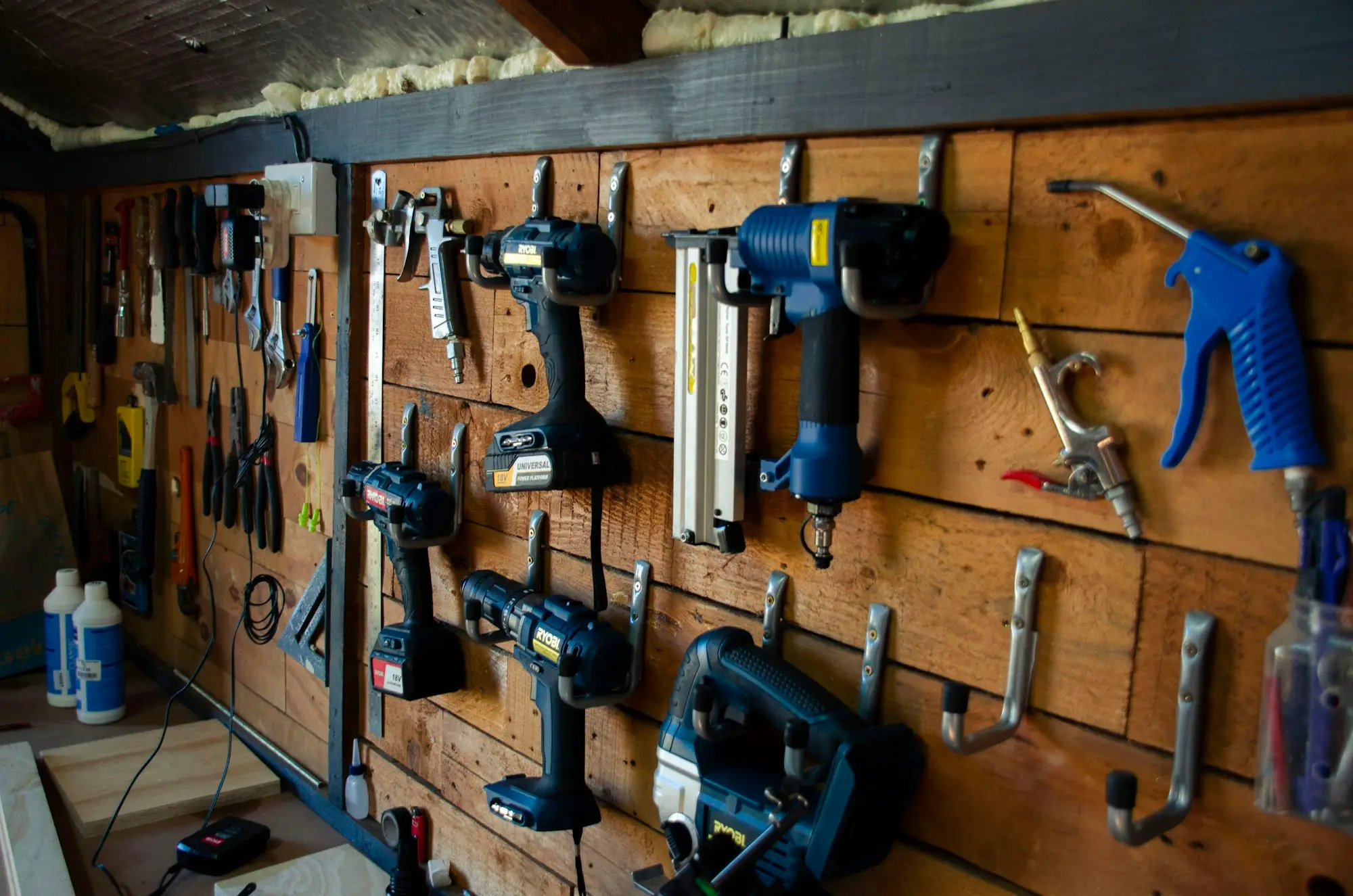
The modern tradie’s power tools are a small electronics collection. A single battery platform might run the drill, impact driver, circular saw, grinder, work light and vacuum, and each of those has chargers, spares and cases to go with it. Starting from scratch, or swapping brands, adds up quickly.
This page is narrower than general tool finance. It is for the cordless-and-corded power kit that does the heavy lifting on site, and for the specific problems that come with it.
Why do power tools cost so much to set up?
The tool itself is only part of the bill. A working cordless setup usually needs:
- the tools, sold bare or in kits
- multiple batteries, since one dies mid-job
- fast chargers, sometimes one per vehicle
- cases or systems that stack and lock
- blades, bits and accessories matched to the work
Pricing varies by brand, voltage class and kit size, so the same trade can spend very different amounts depending on the choices. If you are not sure what to include, ask your supplier to quote the full working set, not just the headline tool.
Which platform should I commit to?
Switching battery brands later is expensive, because every battery and charger has to be replaced. Before borrowing, think about:
| Question | Why it matters |
|---|---|
| Does the range cover every tool I use? | Gaps mean a second brand later |
| Is service nearby? | A broken tool should not stall a job for weeks |
| Do the apprentice and crew use the same batteries? | Shared batteries save money |
| Is the range likely to stay compatible? | Long-running platforms protect your outlay |
Financing a complete platform in one go can be neater than adding tools one at a time at retail prices.
How do lenders view power tools?
Honestly, with caution. A power tool is portable, loses value quickly and is hard to repossess. So the weight falls on you. They tend to look at:
- how long the business has traded
- the regularity of deposits into the business account
- whether the quote is a realistic mix for your trade
- any deposit, which signals commitment and reduces the borrowed amount
That is why a working-capital loan or short-term facility often suits power tools better than an asset-backed structure. For heavier plant, see equipment loans for tradies.
What can go wrong with power tool purchases?
- Theft. Tools stolen from utes and sites are a constant. Check your insurance for conditions such as locked storage.
- Weather and abuse. A wet site is hard on batteries and electronics. Cases and covers are worth the money.
- Warranty gaps. Heavy trade use can fall outside consumer warranty terms, so read what the maker offers professionals.
- Over-buying. A shiny range with features you never use is a repayment without a payoff.
Want to see what you could borrow for a power tool setup?
If you have a supplier quote, you can check your power tool finance options. It takes around a minute, and the first stage involves no credit check.
An illustrative example
This is a made-up scenario for explanation only.
A tradie who has been mixing three tool brands decides to consolidate on one battery platform to cut clutter and let the apprentice borrow batteries. The consolidated kit, chargers and cases come to more than the owner wants to pay cash for in one go. They finance it and sell some of the old tools to reduce the amount borrowed.
The saving comes from fewer chargers, fewer spare batteries and less fumbling on site, but it only pays if the new tools suit the work. The owner checks that before borrowing.
Is it worth buying second-hand or refurbished?
Trade kits sometimes come up second-hand when a tradie retires or a business winds up. That can be good value, but batteries are the weak point: old packs hold less charge, and replacements are expensive. If you finance a used set, get battery condition in writing. The second-hand equipment finance page covers the questions lenders ask.
How does this connect to compressors and air tools?
Air-powered tools depend on a compressor, which is a separate purchase with its own finance considerations. If your kit includes pneumatic gear, the compressor and generator page explains how to size and fund the power source.
How long should a power tool last on a repayment term?
Match the term to the tool’s working life. A cordless drill that is replaced every two or three years should not be on a repayment plan that runs much longer than it will survive. Batteries are usually the first thing to fade, and a charger or case can outlast the tool it came with. Ask your supplier how long professionals get from the range in your trade, then choose a term that finishes before the gear needs replacing. If you keep refreshing equipment on a cycle, a revolving line of credit may suit better than a string of fixed loans, because you can draw what you need and clear it as work is paid.
Ready to see if you qualify?
Power tools should make the job quicker, not make the month tighter. Tell us what you are buying, how long you have traded and what you can put in. Your first enquiry is not a credit check, your details stay out of a lender free-for-all, and a real person looks at your situation. Accurate answers get the match right the first time, so begin your enquiry here. If you are still planning, the equipment finance overview shows every option on one page.
Frequently asked questions
Is a battery platform worth switching to?
It depends how many tools you will eventually run on it. A shared battery across a dozen tools can be cheaper and tidier than two or three brands, but switching has an up-front cost. Itemise the full platform when you seek finance.
Can I finance a whole fleet of power tools for a crew?
Yes, if the quote shows what is being bought and how many people use it. Larger orders may suit an unsecured loan or a facility sized to turnover.
Are power tools easier or harder to finance than machinery?
Usually harder to secure against, because they depreciate and are portable. Lenders compensate by looking closely at deposits and recent business income.
What about replacing tools on a regular cycle?
A line of credit can suit businesses that refresh gear every year or two, since it can be drawn and repaid as needs arise.
Does the supplier matter?
A reputable trade supplier with a written quote makes the paperwork simpler. Private sales and online marketplaces are possible but need clearer documentation.
Short on time? Enquire right here
About 60 seconds. No credit check when you first enquire, and a real person calls you back.