
Quick answer
Concrete equipment finance helps concreters buy power trowels, screeds, vibrators, mixers, formwork and sometimes pumps, then repay from the pours they speed up. The right gear lets a small crew take bigger slabs. Unsecured options typically run from $5k to $500k, property-secured from $20k to $5m, for business use only, with no credit check on first enquiry.
Key points
- Finishing gear decides how big a slab a small crew can handle
- Formwork is reusable stock, and it adds up quickly
- Weather, timing and cancellation make idle equipment costly
- Buying versus hiring a pump depends on how often you pour
- No credit check when you first enquire
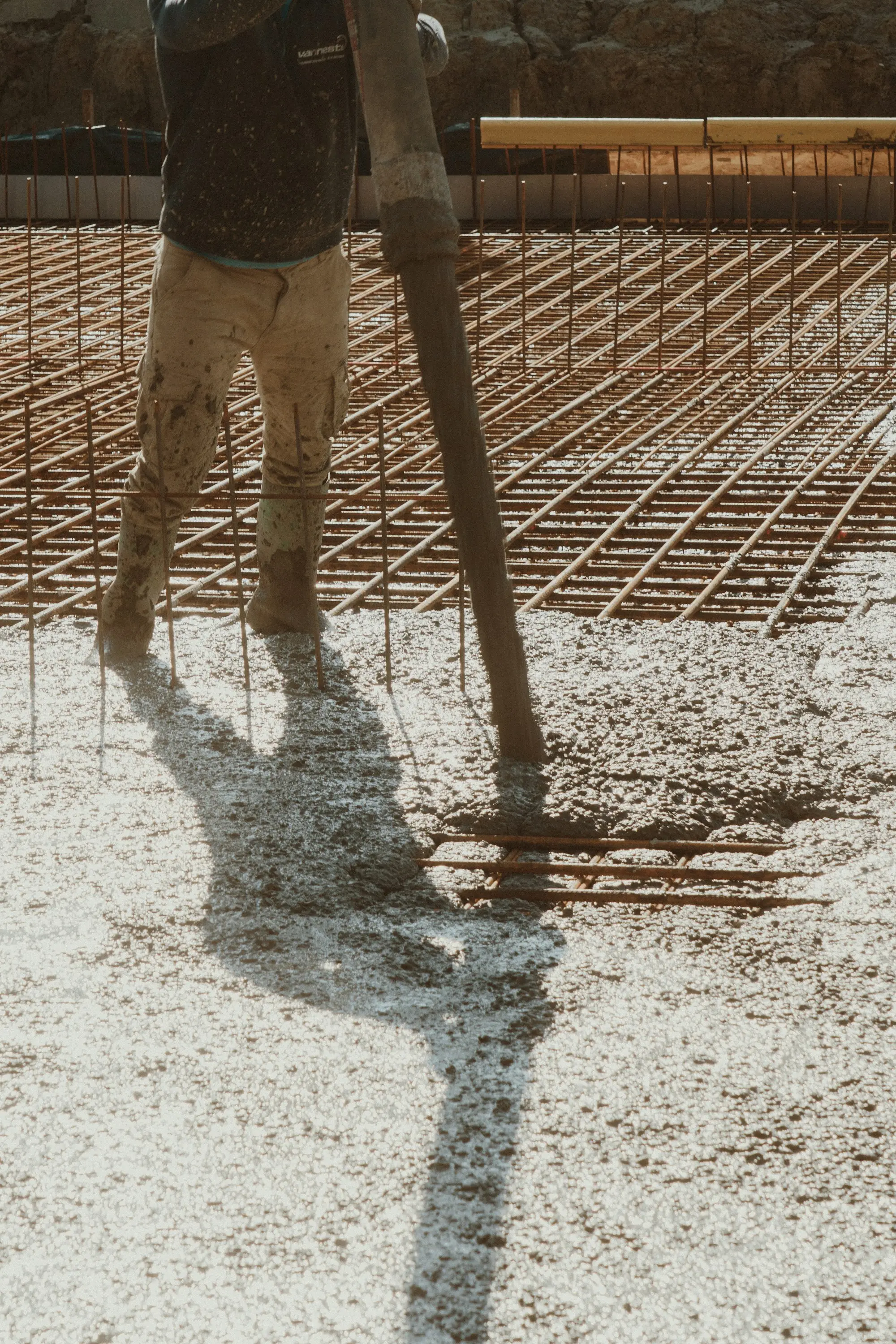
A pour has a deadline built in. Once concrete is on its way, the crew has a limited window to place, screed, float and finish it before it sets. The right equipment decides whether a small team handles a driveway slab comfortably or scrambles through it. That is why concrete equipment is one of the more practical places to put finance to work.
What equipment does a concreting business actually need?
Think in three layers: hand gear, finishing machines and bulk items.
Hand and small gear
- Screeds, bull floats, hand floats, edgers and groovers
- Rakes, shovels, wheelbarrows and buggies
- Pokers, vibrators and a source of power
- Laser or dumpy levels and string lines
Finishing machines
- Power trowels (walk-behind or ride-on)
- Power screeds and vibrating beams
- Concrete saws and grinders for cutting and polishing
Bulk items
- Formwork, pegs and bracing
- A small mixer for smaller jobs
- A trailer to haul it all
- Sometimes a pump, which is its own business model
Our compressor and generator page covers the power supply that many of these tools rely on.
Which pieces change what a small crew can take on?
| Equipment | What it unlocks |
|---|---|
| Power trowel | Larger slabs finished faster with a consistent surface |
| Power screed | Level, even placement with fewer people |
| Laser level | Accurate falls and heights without a second person |
| Concrete saw | Cutting joints on time, before cracking |
| Extra formwork | Running two pours in the same week |
| Trailer | Moving gear without borrowing a vehicle |
If you are turning down larger slabs because you cannot finish them in time, one of these pieces may be the missing link.
Should I buy or hire concrete equipment?
Hire suits one-off or rarely used gear. Owning wins when you reach for something every week. Pumps sit in a different category: they need operators, regular bookings and transport, so many concreters hire pumps in and spend their finance on the finishing gear. The equipment payback calculator puts your hire costs against the repayments.
How do lenders look at concrete equipment?
Smaller items are portable and depreciate, so lenders lean on your trading history and bank statements. Larger plant and trailers carry more asset value. Expect questions about:
- the make, model and age of the equipment
- how many pours a month you do, and for whom
- whether work is repeat builder business or one-off residential
- your deposit or any property security
With property as security, loans can run from $20k to $5m. Unsecured options typically sit between $5k and $500k and depend on turnover and bank statements. Either way, only business use is considered.
Want to see how your concrete gear could be funded?
Got a quote for finishing gear, formwork or a trailer? You can check your options in a minute. Your credit file is not touched at the first stage.
An illustrative example
This is a made-up scenario for explanation only.
A two-person concreting business does driveways, paths and the occasional shed slab. When a builder offers a regular run of larger house slabs, the owners realise their hand-finishing method will not keep up. They finance a power trowel, a power screed and extra formwork, with a small trailer to move it all.
The first slabs go well, but a few days of rain push two pours back and the repayments still fall due. The owners kept a buffer for exactly this, which carried them through. The lesson is that equipment finance works best when you plan for the weather, not just the best case.
What happens when the weather turns?
Rain, heat and wind all change how a pour goes. A cancelled pour can still cost you booking fees, and the equipment you financed sits unused. Plan for a handful of lost days each year, ask suppliers about cancellation terms and consider how a flexible facility could cover the gap. The wet weather cash flow page explains the planning side, and the cash flow loans for concreters page covers the working-capital side of a pour.
What about transport and storage?
Formwork, trowels and screeds need a trailer and a dry place to live. Rust and damage cut the life of concrete gear fast, so budget for cleaning, storage and routine maintenance. Our trailer finance page explains how trailers are funded.
Can equipment finance help me take on commercial work?
Commercial and larger residential slabs often come with specifications for flatness, joints and finish, and builders expect the right gear to meet them. Power screeds, laser levelling and well-maintained trowels are what separate a quote that gets accepted from one that is quietly passed over. Equipment finance can bridge the gap between the jobs you can do now and the contracts you want to win, provided you can show lenders where the work is coming from. A tender in progress, a repeat head contractor or a pipeline of enquiries all help. Payment terms on commercial work tend to be longer, so many concreters pair equipment finance with a working-capital buffer to cover the wait.
How should I stage the purchases?
You do not have to buy everything at once. Start with the gear that touches every job, then add the next piece when the work backs it up. A sensible order for many small crews is hand tools and a vibrator first, a laser level and extra formwork second, then a power trowel or screed once larger slabs are regular. Staging keeps each repayment small and lets the early purchases earn before the next one lands. Keep notes of which jobs each piece made possible, because that record makes the next finance conversation far easier.
Ready to see if you qualify?
Good gear lets a small concreting crew punch above its weight. Tell us what you want to buy, how many pours it supports and what you can contribute. A first enquiry carries no credit check, your details do not circulate among a pile of lenders, and a real person works on your case. Complete, honest answers get the match right first time, so start your concrete equipment enquiry.
Frequently asked questions
What equipment should a new concreter buy first?
Start with what you will use on nearly every job: screeds, floats, trowels, a vibrator and basic formwork. Add power trowels, laser levels and bigger plant as the work justifies them.
Is a power trowel worth buying?
For regular slabs, a power trowel saves hours of hand finishing and improves consistency. For occasional small jobs, hiring may be cheaper. Work out how many pours a month you would use it on.
Can I finance a concrete pump?
Pumps are a significant purchase and are a different business model from pouring, since they need operators, transport and regular bookings. Many concreters hire pumps and finance their finishing gear instead.
How should I think about formwork?
It is reusable stock that lasts across many pours, so it behaves a bit like scaffold. Count what you need for a typical job and a second job in parallel.
What if a pour is cancelled by the weather?
Repayments continue, so many concreters keep a small cash buffer or a flexible facility. Ask suppliers about cancellation terms and plan for lost days.
Short on time? Enquire right here
About 60 seconds. No credit check when you first enquire, and a real person calls you back.