
Quick answer
Concreters with bad credit can still be considered for business finance. Lenders look at recent bank statements, how the business funds ready-mix, pumps and labour on pour day, the cause of the default and any property you own. Approval is never guaranteed, but each case is assessed on its merits, and a first enquiry here involves no credit check.
Key points
- Concrete is bought and poured before the claim is paid
- A pour cannot be paused, so costs land in one hit
- Weather can push a job and the invoice with it
- Finishing crews and labourers need paying on schedule
- No credit check when you first enquire
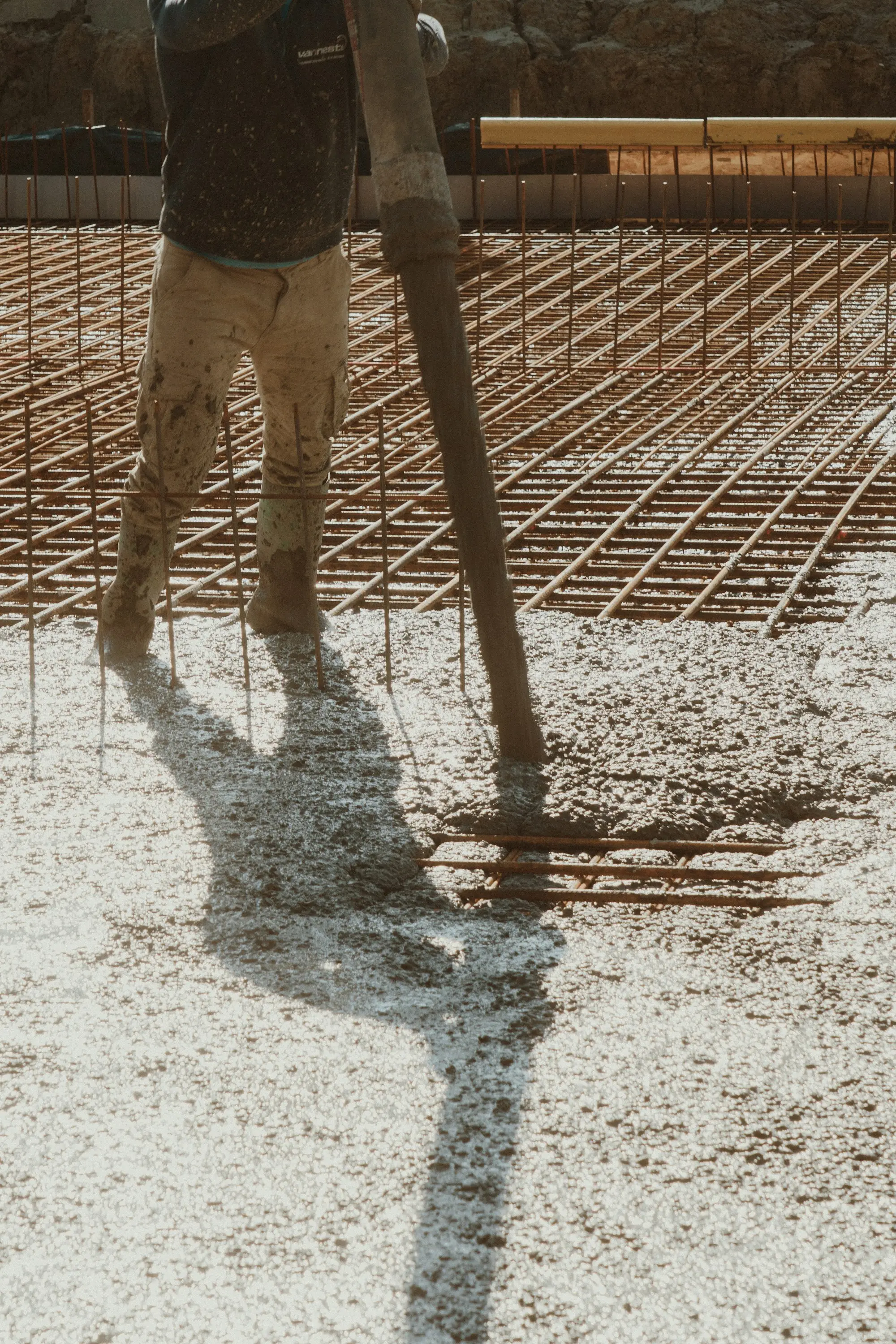
Concrete does not wait. When the truck arrives, the pour is on, and every dollar of the job is spent within a few hours: the mix, the pump, the finishers and the labourers. Then the claim goes in and the wait begins. For a concreter, that gap is not a rounding error. It is the business.
Why does concreting create credit pressure?
Few trades concentrate cost into a single day the way concreters do. A slab or driveway job might look like this:
- Preparation. Excavation, formwork, reo and sometimes a plumber and electrician in earlier. These are paid before the pour.
- Pour day. Ready-mix from the batching plant, a pump hire and a crew of finishers, all at once.
- Curing and finishing. Saw cuts, sealing and clean-up, often a few days later.
- The claim. Sent after the job, then paid on the builder’s terms.
If the builder is slow, the supplier account, the pump hire and wages are all still due. When a few of these pile up, accounts go overdue and a default can result.
What does wet weather do to the numbers?
A rained-off pour is a rescheduled pour. Crews are booked, a pump may be paid for anyway and the supplier has to be rebooked. For a few weeks of bad weather, a concreter can have costs without income. The wet weather cash flow page looks at how to plan for that. From a lender’s view, a poor quarter explained by weather and followed by recovery is a recognisable pattern, not a warning sign by itself.
How do lenders read a concreting business?
| Type of concreting | Payment pattern | What gets checked |
|---|---|---|
| Residential slabs and driveways | Deposit and balance, or stage claim | Customer mix and deposit habits |
| Subbing to builders | Claim on completion, builder’s terms | Who the builders are and how fast they pay |
| Commercial and civil | Progress claims, sometimes retention | Large outlays and long waits |
| Decorative and exposed aggregate | Higher-value jobs, longer prep | Margin and repeat work |
If most of your income comes from one builder, a lender will want to know that builder is sound. If it is spread across several, that is a strength. Either way, how lenders view self-employed tradies explains the thinking behind it.
What can a concreter borrow to fund?
- Ready-mix, pump hire and wages for a large pour ahead of the claim
- Clearing an overdue supplier account
- Formwork, screeds, saws and vibrators, or a trailer and mixer, covered in concrete equipment finance
- A business tax bill that cannot wait for the next invoice
- A buffer for a wet stretch
The wider funding picture for the trade is in cash flow loans for concreters.
Is the next pour booked?
When the pour is booked and the cash is the sticking point, put your details in to see what might fit. Your first enquiry is not a credit check.
An illustrative example
A hypothetical, built from common patterns rather than any real business.
A concreter with four labourers did a large slab job for a builder. The builder’s payment ran well past its due date, a wet fortnight delayed two other jobs, and the ready-mix account fell behind and was eventually listed as a default. Two years on, the account is cleared, the concreter works for three builders and the bank statements show regular weekly deposits. A new commercial hardstand needs a pump, a large mix order and a bigger crew for four days.
The lender’s first questions are about the hardstand: the contract, the claim date and the margin after the pump. The second is about the three builders. If they are sound, the lender may see a business whose past default was a single-client, single-season problem. The concreter should still check the repayments against the claim date and keep a buffer in case the builder is a week late again.
How can concreters prepare their paperwork?
- Get a statement from your ready-mix supplier showing what is owed
- Keep the signed quote or contract for the job you want to fund
- List what builders owe you, with dates
- Have recent bank statements for the business account ready, a quarter or more
- Write two sentences on the cause of the default and what has changed
The loan readiness checklist covers the full list.
Should concreters worry about pump hire and short-notice orders?
Pump hire and ready-mix are often booked days ahead and charged even if the pour is cancelled late. That means a postponed job can still cost money. Lenders who know the trade understand this, and it can explain a bad month in your statements. What they want to see is that you have a habit of confirming the pour, the access and the weather window before you book, so one wet morning does not become a recurring cost.
It also helps to separate jobs where the builder supplies and pays for the concrete from jobs where you buy it. If you supply, your exposure on each pour is far larger, and that is where a supplier account can run away from you. Say which type of work makes up most of your income.
Ready when you are
A mark on the file does not shut the conversation. Tell us what is going on. We hold off on credit checks until a formal application, keep your details out of the mass-mailing business and put a human on your enquiry. We ask for accurate form answers so the first match is the right one. Get started here.
Frequently asked questions
Can a concreter get finance with a default on file?
It can be possible. Lenders weigh when the default happened, why, whether it is paid and how the business has traded since. Regular deposits from established builders and a clear next job strengthen the case.
Why do concreters get hit so hard by slow payment?
Because the biggest costs, such as ready-mix, the pump and the crew, all fall due on or soon after pour day, while the claim sits unpaid for weeks. A single slow builder can leave a large hole.
Can I borrow to cover a concrete supplier account?
Clearing or smoothing a supplier account is a common use. It is better presented with a plan for how the account will stay current afterwards.
Does owning a concrete pump or truck help?
Owned equipment shows assets in the business and can support some types of finance. It can also add repayments, so lenders look at the whole picture.
What if the weather wrecked a quarter?
Wet weather is a legitimate cause of a cash squeeze for concreters. Show the quarter in your statements and explain how work caught up afterwards.
Short on time? Enquire right here
About 60 seconds. No credit check when you first enquire, and a real person calls you back.