
Quick answer
A ute loan lets a tradie buy a work ute and repay it over a set term, usually with the vehicle as security. The main structures are a secured loan, hire purchase and lease. They differ in who owns the ute, whether a final payment applies and how the paperwork flows. Vehicle finance is arranged through Loan Finder Store, which compares the structures for your situation.
Key points
- A ute loan, hire purchase and lease are three different structures.
- A final payment lowers the regular repayment but must be planned for.
- A lease rents the ute for a term; a loan or hire purchase leads to ownership.
- Loan Finder Store arranges ute finance for Tradie Cash readers.
- Structures
- Secured loan, hire purchase, lease
- Security
- Usually the ute itself
- Arranged by
- Loan Finder Store
- Purpose
- Business use
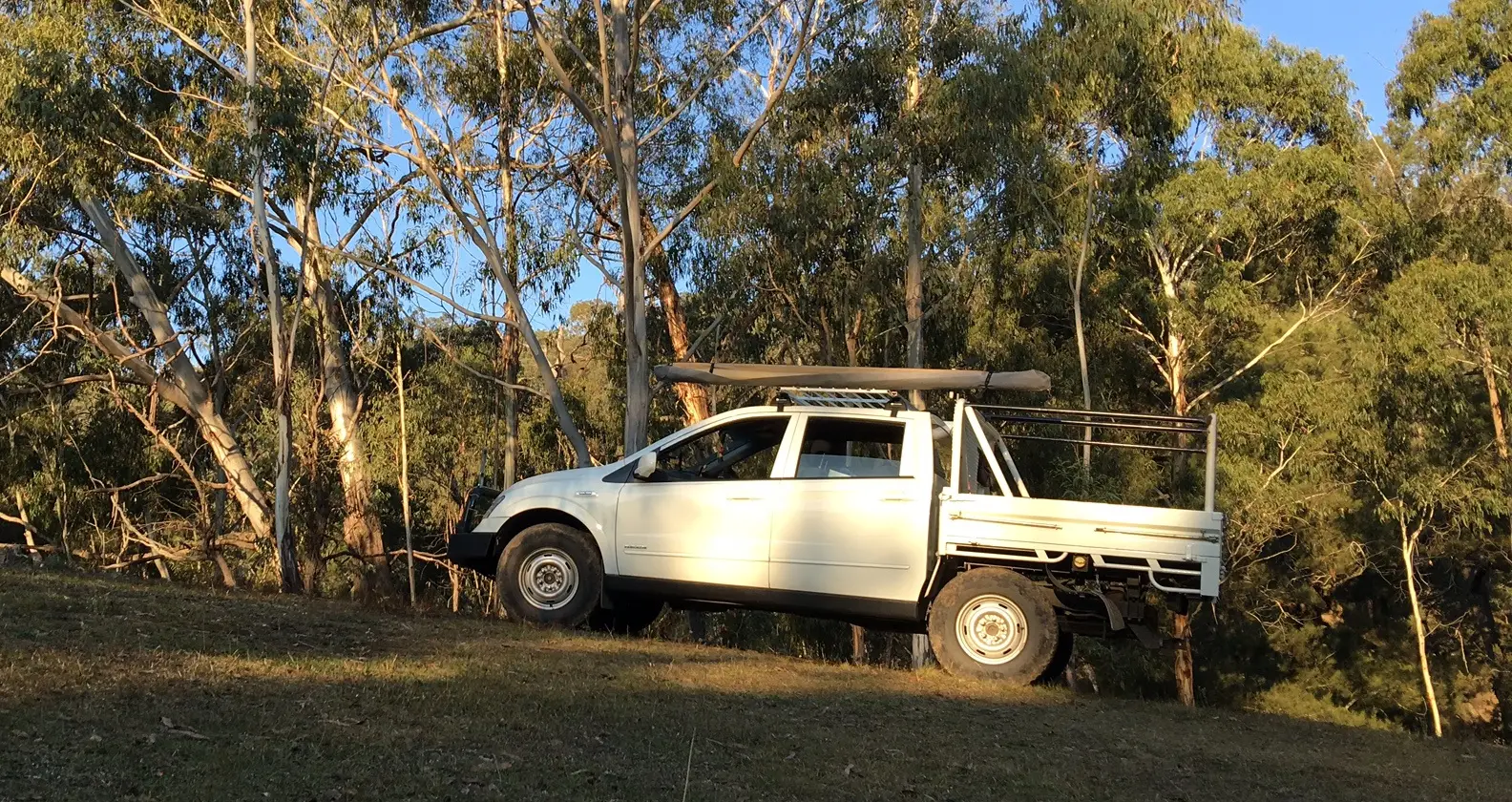
Walk into any trade supplier at 6.30 in the morning and you will see the same thing: a car park of utes, trays loaded, tools strapped down. The ute is the office, the storeroom and the billboard. Paying it off should not become a second job.
This page is about the structure behind the repayment, because that is where most tradies get tripped up.
What is a ute loan?
A ute loan is business finance used to buy a ute, with the ute usually held as security. You make regular repayments over a term, often between three and seven years, and when the balance is cleared the vehicle is free of the lender’s interest.
The loan can be for a new or used ute, and many tradies roll the tray, canopy or toolbox fitout into the same finance. Ask for that in writing so the fitout is not a separate scramble.
How do a secured loan, hire purchase and lease compare?
| Secured loan | Hire purchase | Lease | |
|---|---|---|---|
| Who owns the ute during the term | You | The financier | The financier |
| Ownership at the end | You | Transfers to you | Return, buy or refinance |
| Final payment possible | Yes | Yes | An end value applies |
| Best for | Keeping the ute long term | Clear path to ownership | Regular upgrades |
The names vary between lenders, so ask for each quote to explain in plain terms who owns the ute at each stage and what you owe at the end.
What does a lease actually mean for a tradie?
A lease is closer to renting with an option. You pay for the use of the ute over a set period. At the end you generally have three choices: hand it back, buy it at a pre-agreed value, or roll into a new lease.
Leases suit tradies who like a newer vehicle, who want predictable costs, or whose business model assumes regular upgrades. They suit less well if you run utes hard, tow heavy trailers or drive big kilometres, because wear and kilometre limits can bring end-of-term costs.
A novated lease is a variant involving an employee, an employer and the financier. It generally applies to people on a payroll, which can include a business owner paid as an employee of their own company, but ask your accountant before assuming it fits.
What is a final payment and should I use one?
A final payment, sometimes called a balloon, defers part of the price to the end of the term. It lowers every repayment in between.
Here is an illustrative example, not a real business. A concreter is comparing two ways to finance a single-cab tray ute.
- Option A: a higher repayment each month, nothing owing at the end.
- Option B: a lower repayment each month, with a lump sum owing at the end.
Option B looks kinder in a lean quarter. The test is the last year: will the ute still be worth keeping, and where will the lump sum come from? If the plan is to refinance, the ute’s age and condition then will matter. If the plan is to keep it ten years, Option A usually feels better.
Can I use the ute for work and for family?
Many tradies do. The tax treatment depends on the business-use portion, how the vehicle is classed and your record-keeping, so keep a logbook or the records your accountant asks for. A ute built to carry one tonne or more sits outside the ATO’s car definition, which can change how some costs are treated. Confirm your own situation before you decide.
If you are comparing the cost of owning one over a few years, the ute running cost calculator puts fuel, rego, insurance and servicing next to the repayment.
How do I apply for a ute loan?
Ute finance is arranged through Loan Finder Store, which compares structures for your situation. Have ready:
- Your ABN and how long you have held it.
- Recent business bank statements.
- The ute’s make, model, year and price, or the dealer quote.
- Any deposit or trade-in you plan to use.
If you want a dual cab specifically, read dual cab ute finance first. If you want to see how the options sit across vehicle types, the vehicle finance overview lays them side by side.
What costs sit around the repayment?
The repayment is only one line on the ute’s bill. Rego, comprehensive insurance, tyres, servicing, fuel and tolls all add up, and they vary by trade. A sparky who drives between small jobs all day uses a very different vehicle budget from a landscaper who tows a trailer to the same site every morning.
Before you commit, put the lot on one page and ask what the ute must earn each week to carry itself. If that number looks tight, a cheaper ute, a longer term or a smaller fitout can bring it back into line without changing your work.
Over to you
Pick the ute, ask for two or three structures, and test the last year of each before you sign. Then take the next step: get your ute finance via Loan Finder Store, who arrange vehicle finance for tradies.
Starting is low pressure. Making an enquiry is not a full application, your details do not get sprayed around a pile of lenders, and a real person works on your situation. Give accurate answers up front and the match is far more likely to be right first time.
How it works, step by step
- 1
Choose the ute
Settle new or used, cab type, tray and the work it must do.
- 2
Compare structures
Ask for loan, hire purchase and lease quotes side by side.
- 3
Test the end point
Work out what you will owe, own or return in the final year.
- 4
Apply
Go through Loan Finder Store with accurate business details.
Frequently asked questions
What is the difference between a ute loan and a ute lease?
With a loan you buy the ute and repay the lender, so you own it from the start with the lender holding security. With a lease you pay to use the ute for a term, and at the end you return it, buy it at an agreed value or refinance.
What is a balloon or final payment on a ute loan?
It is a lump sum due at the end of the term. Because it is deferred, your regular repayment is lower. The catch is that you need a plan for the lump sum, usually a refinance, a sale or a payment from savings.
Can a sole trader get a ute loan?
Yes. Lenders usually want to see an ABN that has been active for a while, recent bank statements and details of the ute. Our ABN ute page covers the paperwork.
Should I buy a new or used ute?
New utes carry warranty and predictable costs, while used utes cost less up front. Age and kilometres can affect the finance terms, so compare both on total cost, not just the weekly figure.
Where do I apply for ute finance?
Through Loan Finder Store. The button on this page opens their site in the same tab, and the questions you answer there are specific to the ute and your business.