
Quick answer
Tradies can finance utes, dual cabs, vans, light trucks and trailers through a business loan, hire purchase or lease, depending on the vehicle, the deposit and how the business is structured. Vehicle finance is arranged through Loan Finder Store, which handles it end to end. This hub explains the options so you know what to ask for before you click through.
Key points
- Your vehicle is your mobile workshop, so the finance should fit how it earns.
- Loan, hire purchase and lease are different structures, not different names for one thing.
- Whether a vehicle counts as a car for tax purposes can change how it is treated.
- Vehicle finance is arranged through Loan Finder Store, not on this site's form.
- Vehicles covered
- Utes, dual cabs, vans, light trucks, trailers
- Who arranges it
- Loan Finder Store
- Structures
- Business loan, hire purchase, lease
- Purpose
- Business use
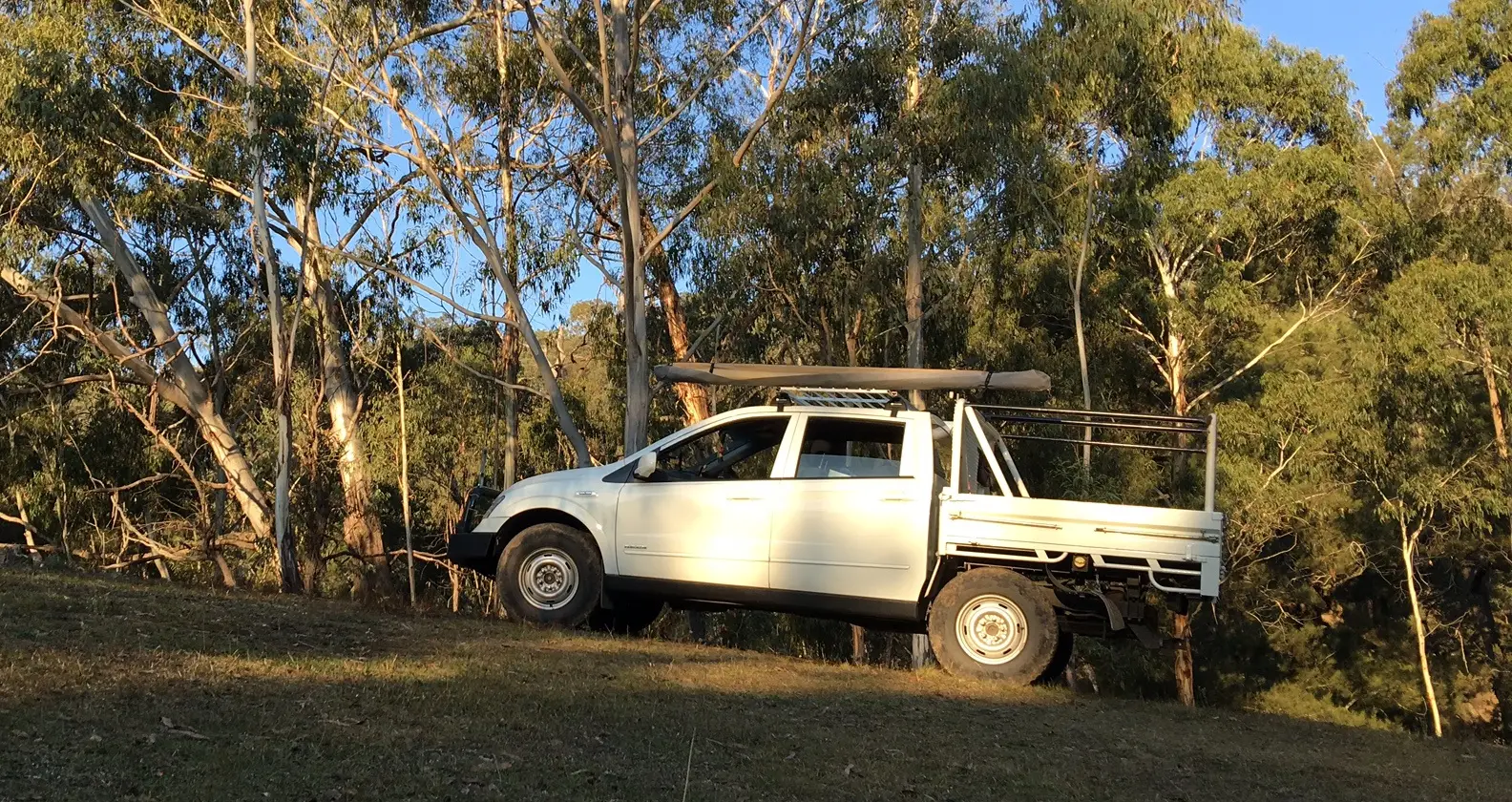
Every tradie has a favourite story about the ute. The one that carried the whole kit, towed the bobcat, and still did the school run. Behind the story sits a serious number: the work vehicle is usually the biggest single purchase a small trade business makes after the first set of tools.
Get the finance right and it quietly earns its keep. Get it wrong and it can squeeze your cash flow for years.
Who arranges vehicle finance here?
Vehicle finance for Tradie Cash readers is arranged through Loan Finder Store. They handle utes, vans, light trucks and trailers from start to finish, so we send you there instead of running a second, weaker version ourselves.
The rest of this site, from cash flow to tools and bad credit, runs through our own form. This hub exists so you can walk into the vehicle conversation already knowing what you are asking for.
What kinds of work vehicle can I finance?
Almost anything a trade business genuinely uses. The common categories:
| Vehicle | Typical use | Our page |
|---|---|---|
| Single or dual cab ute | Tools, materials, towing | Ute loans |
| Dual cab 4x4 | Crew plus kit, rural and site access | Dual cab ute finance |
| Van | Secure tools, fitout, dry storage | Work van finance |
| Light truck | Heavier loads, tippers, tray bodies | Light truck finance |
| Trailer | Plant, bins, mowers, scaffold | Trailer finance |
Pick the page that matches the vehicle in your head. Each one explains the trade-specific trade-offs, such as payload, licence class and fitout.
Should I use a loan, hire purchase or a lease?
These are different structures, and the choice shapes your repayments, ownership and tax paperwork.
- Business loan secured on the vehicle. You are the owner from day one and the vehicle is the security. A final payment can be built in to lower the regular repayment.
- Hire purchase. The financier owns the vehicle until the last payment, then ownership transfers to you.
- Lease. You pay to use the vehicle for a term. At the end you hand it back, buy it at an agreed value, or refinance.
- Novated lease. A three-way arrangement between an employee, an employer and a financier, so it generally applies to people on a payroll, not every sole trader.
None of these is automatically best. Ask your accountant which fits how your business is structured and how you want to own the vehicle in five years.
Why does the vehicle type matter to my tax?
For income tax, the ATO draws a line between a car and other vehicles. A car is designed to carry a load of less than one tonne and fewer than nine passengers. Vehicles built to carry one tonne or more, such as many single-cab utes and panel vans, sit outside that definition. A cost limit applies to the depreciation of cars, which is one reason the same price tag can behave differently on two vehicles.
Payload is on the compliance plate, so check it before you fall in love with a model. The running costs page shows how to think about total ownership, not just the repayment.
What do lenders look at for a tradie?
Expect questions about:
- How long the business or ABN has been trading.
- Recent bank statements showing income.
- The vehicle: age, price, and whether it is new or used.
- Your deposit or equity, if any.
- Existing commitments, including other vehicle or equipment finance.
If you are newer to the game or your credit file has a few marks, the bad credit ute finance page is the better starting point.
A worked example (illustrative)
This is an illustrative scenario, not a real business. A sole-trader plumber has been trading for three years and wants a dual cab with a canopy. The price includes the canopy and a drawer fitout. She compares two quotes.
The first has a lower regular repayment but a large final payment. The second has a higher repayment and no final payment. She decides the second suits her better because she plans to keep the vehicle for eight years, so she would rather own it clean than refinance at the end of a short term. The numbers are hers to work out, but the questions she asked are the useful part.
What mistakes do tradies make when financing a vehicle?
Three come up again and again.
- Buying on the repayment alone. A low weekly figure can hide a long term, a big final payment or a vehicle that costs more to run than the one you replaced.
- Forgetting the fitout. Racking, canopies, drawers and ladder racks can add a serious chunk to the price. Ask whether they can be financed with the vehicle rather than paid from cash you need for wages.
- Ignoring the ending. Whether you own, return or refinance the vehicle in year five is a decision worth making on day one.
A short chat with your accountant before you sign is cheap insurance, and it is the right time to ask how the vehicle will be depreciated and recorded.
Ready to get moving?
You can get vehicle finance arranged through Loan Finder Store, who take you through the details for the vehicle you have picked. If your real need is cash flow to run the business around the vehicle, see our business loan options or start from the equipment finance hub.
Whichever way you go, a few promises hold. An enquiry is just that, not a full application. Your details are not blasted to a queue of lenders, so your phone stays quiet. A real person reads your situation. And please answer the questions accurately, because it helps us match you properly the first time. Get vehicle finance via Loan Finder Store.
How it works, step by step
- 1
Before you shop
Decide what the vehicle has to carry, tow and earn.
- 2
Before you sign
Check how the purchase sits with your accountant's plan for the business.
- 3
When you are ready
Go through to Loan Finder Store and answer the questions accurately.
- 4
After approval
Confirm the structure, term and any final payment before collecting the keys.
Frequently asked questions
Who arranges vehicle finance for Tradie Cash readers?
Loan Finder Store handles it. This site covers cash flow, equipment, bad credit and tax debt on its own form, but vehicles go through Loan Finder Store because that is its specialty. The buttons on every vehicle page take you straight there in the same tab.
Can I finance a vehicle through my ABN as a sole trader?
Yes, many sole traders do. The lender will look at how long you have held the ABN, your recent bank statements and the vehicle itself. Our page on buying a ute with an ABN goes through the paperwork in detail.
Is a deposit always needed for a work vehicle?
Not always, but it can help. Some structures need a deposit, others leave a final payment at the end instead. Which suits you depends on the vehicle's age and your cash position, so ask for both versions to be compared.
Does the type of vehicle matter for tax?
It can. The ATO treats vehicles built to carry one tonne or more differently from cars, so a single-cab ute and a dual cab can land in different categories. Confirm yours with your accountant before you buy.
Can I get vehicle finance with a poor credit history?
It can be possible, often with a bigger deposit or a smaller vehicle. Loan Finder Store looks at each case on its merits. Our bad credit ute page explains what tends to help.